
There is no bad month to visit Manuel Antonio — the wildlife lives here year-round and so do we. But each season offers something different. Here is the honest month-by-month breakdown from local guides, so you can pick the right dates for YOUR trip.
Quick Answer
- Best weather: January–March (dry, sunny, almost zero rain)
- Best value + fewer crowds: May, June, September–November
- Whale watching: July–October (humpbacks from the Southern Hemisphere)
- Avoid if you hate crowds: Christmas–New Year and Easter week (Semana Santa)
Month by Month
December – April (Dry Season / High Season)
December: The forest is still green from the rains, weather turns sunny. The last two weeks are the busiest (and priciest) of the year — book tours and hotels well in advance.
January: Pure sunshine, lively atmosphere, peak season in full swing. Park tickets sell out days ahead.
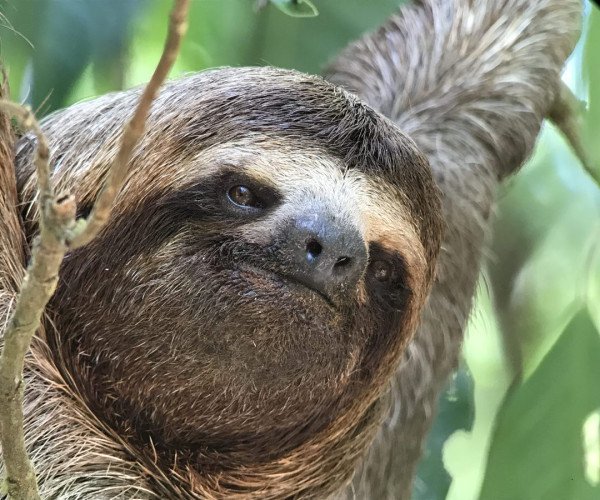
February: The driest month. Perfect beach days, every trail dry. Sloths love the cecropia trees in this season.
March: Hot and dry. If Semana Santa falls in March, expect the biggest national crowds of the year.
April: Hot, end of dry season. Late April brings the first refreshing showers and the crowds thin out.
May – August (Green Season Begins)
May: Our local secret. The forest explodes back to life, animals are very active, hotels drop prices and the park feels half empty. Mornings are almost always sunny; rain falls late afternoon.
June: Similar to May — sunny mornings, afternoon showers. Great wildlife and great prices.
July: “Veranillo” — a mini dry season of 2–3 weeks. Europeans and families on vacation arrive, and the first humpback whales appear offshore.
August: Sunny mornings, occasional afternoon rain, whales in full season. A balanced month.
September – November (Deep Green Season)
September: Rainiest months begin, BUT mornings are still mostly dry — that is why all our tours start early. Lowest prices of the year, almost no crowds, intense wildlife activity. Peak whale season.
October: The rainiest month. Honest truth: afternoons get wet. But morning park tours run normally, the rainforest is at its most beautiful, and you may have a sloth all to yourself.
November: Rains taper off, everything is impossibly green, high season has not started. Another local favorite.
Does Rain Ruin a Park Visit?
No — and we say this as guides who work every day of the year. Animals stay active in light rain (many become MORE active), the forest smells incredible, and the park provides shelter spots. We bring ponchos and the telescope works rain or shine. The park only closes Tuesdays, every week, all year.
Wildlife Calendar
- Monkeys, sloths, iguanas, coatis: every single month
- Humpback whales: July–October (also December–March, northern population)
- Sea turtle nesting (nearby beaches): July–December
- Best birdwatching: December–April (resident + migratory species)
- Baby monkeys and sloths: most births visible January–March
Our Recommendation
If you want guaranteed sun: January–March. If you want the best mix of weather, prices, wildlife and tranquility: May, June or November. Whatever month you choose, do two things: enter the park at 7:00 a.m. and remember it closes on Tuesdays.
Dates picked? Lock in your guided tour — small groups of max 8 fill up fast in every season. Tickets, certified bilingual guide, telescope and hotel pickup included.
→ Check Availability for Your Dates
Keep planning: Complete Park Visitor Guide 2026 · Wildlife Guide · Do You Need a Guide?
0 Comment